

Working remotely has changed how people live and travel. Remote employees, freelancers, and entrepreneurs can now spend months in different countries while continuing to work online. However, working abroad is not always as simple as entering on a tourist visa. Many countries limit how long visitors can stay or may not allow them to work legally, even when their employer or clients are based elsewhere.
A digital nomad visa lets eligible remote workers live in another country while earning income from employers or clients abroad. Each program has different visa requirements, income rules, application fees, tax policies, and permitted stay periods.
Choosing the right destination involves more than comparing the digital nomad visa cost. Internet quality, healthcare, safety, taxation, climate, cost of living, and lifestyle are also important.
This guide explains digital nomad visa requirements, eligibility, documents, costs, and the application process. You will also discover which countries offer popular options and how these visas compare with tourist and work visas.
🌍 Quick Summary
If you are short on time, here are the most important things to know before choosing a digital nomad visa:
- ✅ Digital nomad visas allow eligible remote workers to live in another country while earning income from employers or clients abroad.
- ✅ Most programs require proof of remote employment or self-employment, a minimum income, valid health insurance, and a valid passport.
- ✅ Visa validity can range from several months to multiple years, depending on the destination and visa type.
- ✅ Tax rules vary significantly, so understand your tax obligations before relocating or applying.
- ✅ Popular options are available in Europe, Asia, Latin America, and the Middle East, but every program has different eligibility rules and application requirements.
- ✅ The best digital nomad visa is not always the cheapest. Choose a country that matches your lifestyle, budget, career goals, and long-term plans.
What Is a Digital Nomad Visa?
A digital nomad visa allows eligible remote workers to live temporarily in another country while earning income from employers, clients, or businesses based abroad. Unlike a traditional work visa, it generally does not allow you to take a local job. Instead, you may work remotely for a foreign company, run an online business, or serve international freelance clients.
Most digital nomad visa requirements include:
✦ Proof of remote employment or self-employment.
✦ A minimum monthly or annual income.
✦ Valid health insurance.
✦ A valid passport.
✦ Supporting documents such as contracts or bank statements.
Keep in mind that a digital nomad visa is usually a temporary residence permit and does not grant permanent residence or citizenship. Always check the official requirements before applying.
Digital Nomad Visa vs Tourist Visa vs Work Visa
Although these visa types may seem similar, they’re designed for very different purposes. Understanding the differences can help you avoid immigration issues and choose the option that best fits your plans.
*Visa durations and eligibility requirements vary by country. Always check the latest information from the official immigration authority before applying.
✦ Digital Nomad Visa
A digital nomad visa always suits remote workers who earn income online and want to live abroad without a local job. It provides a clearer legal framework than relying on a tourist visa. You can renew it as long as you continue to meet the country’s visa requirements.
✦ Tourist Visa
A tourist visa is designed for holidays and short visits. Although some travelers may answer emails while abroad, that doesn’t automatically mean long term remote work is permitted. If you plan to work online for several months, check whether the country offers a digital nomad visa.
✦ Work Visa
A work visa is designed for people employed by a company in the destination country. It usually requires local employer sponsorship and comes with different employment, tax, and labor obligations. If your clients or employer are based abroad, a digital nomad visa is generally more relevant than a traditional work visa.
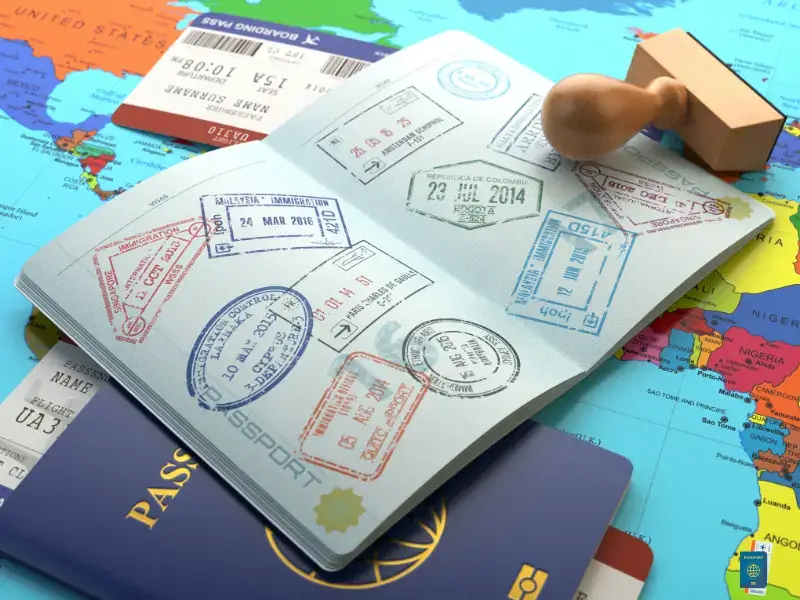
Why Digital Nomad Visas Are Becoming More Popular
Just a few years ago, remote workers had limited options if they wanted to live abroad for more than a few weeks. Most relied on tourist visas, short-term stays, or frequent border crossings to continue travelling while working online. Today, the situation is very different.
The rapid growth of remote work has encouraged governments around the world to introduce dedicated visa programs for digital nomads. These programs attract skilled professionals who contribute to local economies without competing for local jobs. Instead of working for companies in the host country, digital nomads continue earning income from employers or clients based elsewhere while spending money on accommodation, restaurants, transportation, coworking spaces, and local services.
Although every program has different digital nomad visa requirements, the overall goal is to make long-term remote living more practical for qualified applicants.
Basic Conditions Applicants Usually Need to Meet
Digital nomad visas are generally designed for people who earn income remotely from outside the country where they want to live. Eligible applicants may include:
✦ Remote employees working for an overseas company.
✦ Freelancers with international clients
✦ Self-employed professionals and consultants.
✦ Online business owners.
✦ Digital creators with stable, verifiable income.
Typical Eligibility Requirements
Requirements vary by country, but applicants commonly need:
✦ A valid passport
✦ Proof of remote employment or self-employment
✦ Evidence of meeting the minimum income requirement.
✦ Health insurance covering the destination.
✦ Recent bank statements or proof of sufficient funds
✦ A clean criminal record, where required.
Some programs also request proof of accommodation, passport photographs, or additional immigration forms.
Best Digital Nomad Visa Countries at a Glance
Before comparing destinations in detail, here’s a quick overview of some of the most popular digital nomad visa programs available in 2026.
| Country | Visa or Permit Duration | Renewable | Family Allowed | Best For |
|---|---|---|---|---|
| Portugal | Residence visa followed by a temporary permit* | Yes | Yes | Long-term relocation |
| Spain | 1-year visa or residence permit of up to 3 years* | Yes | Yes | Remote professionals |
| Croatia | Up to 18 months* | Limited | Yes | Affordable European living |
| Estonia | Up to 1 year* | Limited | Yes | Tech professionals |
| Greece | Up to 2 years* | Yes | Yes | Mediterranean lifestyle |
| United Arab Emirates | 1 year* | Yes | Yes | Entrepreneurs and consultants |
| Costa Rica | 1 year, with possible extension* | Yes | Yes | Nature and outdoor living |
| Thailand | 5-year validity; up to 180 days per entry* | Multiple entry | Varies | Flexible nomad living |
| Italy | 1 year* | Yes | Yes | Culture and lifestyle |
| Malta | 1 year* | Yes | Yes | English-speaking Europe |
*Visa and residence-permit durations, renewal options and family rules can change. Always confirm the latest details with the country’s official immigration authority or responsible consulate before applying.
Note: Income requirements and visa conditions can change. Always verify the latest information with the official immigration authority before applying.

Popular Digital Nomad Visa Countries Compared
Digital nomad visa programs differ in their permitted stay, renewal rules, and options for accompanying family members. This quick comparison provides a starting point before we examine each destination in more detail. Below is a quick overview of ten popular destinations. If one catches your interest, explore our dedicated country guide for more detail.
✦ Portugal
Portugal is a popular European base for location-independent professionals, with reliable internet and established coworking spaces. It has convenient connections to other European destinations for solo women. Lisbon and Porto suit people who prefer city life, while Madeira and smaller Portuguese cities offer a quieter alternative for those who prefer calm, less crowded places.
Best for: Long-term stays in Europe.
Why remote workers choose it:
✦ Established coworking communities
✦ Reliable public transport and internet
✦ Convenient travel around Europe
✦ Coastal cities and a mild climate
Keep in mind: Housing in Lisbon and Porto can be expensive, so compare accommodation costs in smaller cities before choosing where to live.
✦ Spain
Spain offers you a balance of vibrant cities, Mediterranean beaches, excellent healthcare, and an established remote work community. Spain is known for reliable infrastructure, lively cities, and established international communities. Cities like Barcelona, Madrid, and Valencia are popular with remote professionals. Smaller coastal cities offer a quieter lifestyle and lower accommodation costs.
Best for: Professionals seeking long-term European living with an excellent work-life balance.
Why remote workers choose it:
✦ Extensive public transport
✦ Numerous coworking spaces
✦ Reliable internet in major cities
✦ Beaches, culture and varied destinations
Keep in mind: Rent can be expensive in Barcelona and Madrid. Applicants should also investigate how Spanish tax residency could affect their income before moving.
Check the official Spanish telework visa requirements
✦ Croatia
Croatia offers historic cities, a long Adriatic coastline, and beautiful scenery with a growing number of coworking spaces. Zagreb provides a more traditional city base, while Split and Dubrovnik appeal to people who prefer coastal living. It’s particularly attractive to remote workers who enjoy outdoor activities without the higher costs found in many Western European countries.
Best for: Coastal European living and slower travel.
Why remote workers choose it:
✦ Attractive coastal destinations
✦ Growing coworking community
✦ Good internet in major cities
✦ Convenient access to other European countries
Keep in mind: Accommodation prices can rise considerably in popular coastal destinations during summer. Longer stays may be more affordable outside the busiest tourist areas.
Check the official digital-nomad residence page
✦ Estonia
Estonia was one of the first countries to introduce a dedicated digital nomad visa and continues to appeal to remote professionals thanks to its digital-first approach. Government services are highly efficient, internet speeds are excellent, and the country has a thriving startup ecosystem.
Best for: Tech professionals, entrepreneurs, and freelancers.
Why remote workers choose it:
✦ Strong digital infrastructure
✦ Reliable high-speed internet
✦ Active startup community
✦ Convenient online public services
Keep in mind: Estonia has cold, dark winters, and Tallinn may cost more than some travelers expect. Applicants should also understand that e-Residency and a digital nomad visa are different programs.
Check the official digital nomad visa information
✦ Greece
Greece offers a combination of historic cities, Mediterranean islands, and a relaxed lifestyle that appeals to many remote workers. Beyond the famous tourist destinations, you’ll also find quieter towns where living costs can be considerably lower. Big cities like Athens and Thessaloniki offer urban amenities and coworking options, while smaller cities and islands suit remote workers who prefer a quieter routine.
Best for: Remote workers looking for sunshine, history, and a slower pace of life.
Why remote workers choose it:
✦ Warm climate and coastal destinations
✦ Expanding coworking communities
✦ Wide choice of cities and islands
✦ Strong cultural and outdoor appeal
Keep in mind: Some islands have limited services outside the main tourist season. Internet reliability, transport, and year-round services vary by island. Check the practical facilities available before committing to a long stay outside a major city.
✦ United Arab Emirates
The United Arab Emirates has become a top destination for remote professionals seeking modern infrastructure, excellent international connections, and a business-friendly environment. Dubai is the most familiar base, offering coworking spaces, reliable internet, and services designed for international residents.
Best for: Entrepreneurs, consultants, and remote professionals with higher incomes.
Why remote workers choose it:
✦ Modern digital infrastructure
✦ Extensive international flight connections
✦ Numerous coworking spaces
✦ Large international community
Keep in mind: Accommodation, healthcare and everyday expenses can be high. Women should also learn the local laws and cultural expectations that may differ from those in their home country.
✦ Costa Rica
Costa Rica has built a strong reputation among remote workers who enjoy nature, outdoor activities, and a slower pace of life. From Pacific beaches to rainforest-surrounded mountain towns, the country offers an appealing balance of work and adventure. Its digital nomad visa also offers tax advantages to many eligible applicants earning income from outside Costa Rica.
Best for: Nature lovers, freelancers, and remote workers looking for a relaxed lifestyle.
Why remote workers choose it:
✦ Beaches and national parks
✦ Established tourism infrastructure
✦ Growing remote-work communities
✦ Numerous outdoor activities
Keep in mind: Internet quality and transportation can vary outside major towns. You have to research the rainy season, healthcare access, and connectivity in your chosen area before booking long term accommodation.
Check the official digital-nomad program page
✦ Thailand
Thailand is one of the world’s most popular destinations for digital nomads. Its affordable living costs, outstanding food, reliable internet, and welcoming communities continue to attract remote professionals worldwide. The introduction of the Destination Thailand Visa (DTV) has created even more opportunities for new nomads and remote workers planning longer stays.
Best for: Flexible travel and an established nomad community.
Why remote workers choose it:
✦ Large coworking community
✦ Wide range of accommodation
✦ Popular food and cultural scene
✦ Strong domestic travel network
Keep in mind: Thailand’s Destination Thailand Visa has a five-year validity, but that doesn’t mean applicants can stay continuously for five years. You need to check the permitted stay for each entry, extension rules, and eligible activities.
Check the official Destination Thailand Visa information
✦ Italy
Italy combines history, culture, outstanding cuisine, and diverse landscapes. All of this makes it an attractive option for remote workers looking for a long term European base. Whether you prefer vibrant cities, coastal villages, or countryside living, Italy offers a wide variety of lifestyles while maintaining access to the rest of Europe.
Best for: Culture, food and long-term European living.
Why remote workers choose it:
✦ Extensive rail connections
✦ Numerous distinctive cities and regions
✦ Strong cultural and lifestyle appeal
✦ Convenient travel within Europe
Keep in mind: The application process can involve detailed documentation, and procedures may differ between consulates. Applicants should confirm professional income and accommodation requirements with their responsible Italian consulate.
✦ Malta
Malta offers an English-speaking environment, warm weather, and convenient access to other European destinations. It is a small country and attracts digital nomads who want coastal living without managing travel across a large country. The Nomad Residence Permit lets eligible applicants enjoy island living while staying well connected to mainland Europe.
Best for: English-speaking remote workers looking for a Mediterranean lifestyle.
Why remote workers choose it:
✦ English is an official language
✦ Reliable internet and digital services
✦ Established international community
✦ Convenient European flight connections
Keep in mind: Malta is small and densely populated, while accommodation costs can be high in popular areas. Compare neighborhoods, transport options, and seasonal rental prices before choosing a base.
Check the official Nomad Residence Permit website

Typical Digital Nomad Visa Requirements
Immigration rules differ across countries, but most digital nomad visa requirements include similar documents. Preparing them in advance can make the application process easier and help prevent delays.
✦ Valid Passport
Your passport may need to remain valid for at least six months after your arrival or planned departure date. The exact validity rule depends on the destination.
✦ Proof of Remote Employment or Self-Employment
Applicants normally need to prove that their work and income come from outside the country where they plan to live.
Accepted documents may include:
✦ Remote employment contracts
✦ Freelance or client agreements
✦ Business registration documents
✦ A letter from an employer
✦ Proof of Income
Digital nomad visa income requirements vary widely by country. Applicants must normally prove that they earn more than the program’s minimum monthly or annual amount.
Evidence may include:
✦ Recent payslips
✦ Tax returns
✦ Client invoices
✦ Employment letters
✦ Business financial statements
✦ Recent Bank Statements
Immigration authorities may request recent bank statements to confirm that you receive regular income and have sufficient funds to support yourself.
✦ Health Insurance
Most programs require private health insurance that is valid in the destination and provides coverage throughout your stay.
✦ Criminal Record Certificate
Some countries request a recent police clearance or criminal record certificate. It may also need translation, legalization, or apostille.
✦ Proof of Accommodation
Depending on the destination, you may need to provide:
✦ A hotel reservation
✦ A rental agreement
✦ Confirmation from an accommodation provider
✦ An invitation letter from a host
✦ Passport Photos
Some immigration offices require printed passport-sized photographs, even if you complete part of the application online. Because digital nomad visa requirements can change at any time, always check the official immigration or consulate website before preparing and submitting your documents.
How to Apply for a Digital Nomad Visa
Although each country follows its own immigration process, most applications involve similar steps.
✦ Choose the Right Destination
Compare countries based on your budget, preferred climate, visa requirements, internet reliability, healthcare, and long-term plans.
✦ Review the Official Requirements
Always visit the country’s official immigration or consulate website to confirm the latest eligibility rules, income threshold, required documents, and application fees.
✦ Prepare Your Documents
Gather the required paperwork before you begin your application. Missing, incorrect, or expired documents can cause delays. Keep both digital and printed copies of your application and important supporting documents.
✦ Complete the Application
Complete the application carefully and make sure your information matches your passport and supporting documents.
✦ Check the Application Costs
The total digital nomad visa cost may include the application fee, document translations, insurance, criminal-record checks, legalization, and residence-permit charges. Costs vary considerably between countries.
✦ Submit Your Application
Some countries accept online applications, while others require applicants to visit an embassy, consulate, or visa application center.
✦ Attend an Interview if Required
An immigration authority may request an interview or ask for additional documents before deciding.
✦ Wait for Approval
Processing times vary. Some applications are decided within a few weeks, while others may take several months. Wait for official visa approval before booking flights or accommodation that cannot be changed or refunded.
✦ Prepare for Your Move
Once approved, organise your accommodation, travel insurance, flights, banking arrangements, and any essential paperwork before departure.

Digital Nomad Visa Taxes and the 183-Day Rule
Tax obligations are an important part of the digital nomad visa requirements that applicants sometimes overlook. Getting a visa does not automatically determine where you must pay tax because every country has its own residency and income rules. Now countries use a version of the 183-day rule. When you spend 183 days or more in a country within a particular tax period, you can become a tax resident there. This could affect where you report your income and which taxes apply.
However, time spent in a country is not the only consideration. Authorities can also examine your permanent home, center of personal or financial interests, business activities, visa type, and existing tax residency. Meeting the digital nomad visa income requirements does not necessarily determine your tax status.
Countries with digital nomad visas also have Double Taxation Agreements with other nations. These agreements can help prevent the same income from being taxed twice, but their application depends on the countries involved and your individual circumstances.
Another point: taxes can also increase the overall digital nomad visa cost, especially when you factor in professional advice, local registration, or required contributions. Consult a qualified cross-border tax adviser before relocating, especially if you expect to remain abroad for several months.
Factors to Compare Before Choosing a Nomad Visa
As you know, every remote worker has different priorities. The best program is not necessarily the one with the lowest income threshold or longest validity. Your decision should reflect your budget, work arrangements, and long-term plans. When comparing countries with digital nomad visas, consider the following factors.
✦ Cost of Living
Compare accommodation, food, transportation, healthcare, and coworking expenses. Also consider the total digital nomad visa cost, including application fees, insurance, translations, and document legalization.
✦ Visa and Income Requirements
Review the eligibility rules before starting an application. Some countries have accessible digital nomad visa income requirements, while others target higher-earning professionals.
✦ Visa Duration and Renewal
Consider how long the visa lets you stay, whether it can be renewed, and whether family members can accompany you. A short visa may not suit someone planning a permanent move.
✦ Internet Reliability
Another important point is to research internet speeds, mobile coverage, and the availability of coworking spaces. Check connectivity in the specific city or region where you intend to live rather than relying only on national averages.
✦ Safety and Local Infrastructure
Women traveling alone should consider nighttime transport, healthcare access, accommodation security, and local attitudes towards solo female travelers, not only general crime statistics.
✦ Healthcare and Insurance
Check the local healthcare system and whether your insurance satisfies the official digital nomad visa requirements while providing adequate medical and emergency coverage.
✦ Climate and Lifestyle
Think about whether you would be happier in a busy city, coastal town, or quieter rural area. Your destination should support both your working routine and personal wellbeing.
✦ Tax Considerations
Before committing to a longer stay, investigate whether your time in the country or personal circumstances could make you a tax resident. Seek professional advice when necessary.
Digital Nomad Visa Application Mistakes to Avoid
Applications can be delayed or denied when you overlook key details. Understanding the latest digital nomad visa requirements can help you avoid preventable problems. Common mistakes include:
✦ Applying without checking the latest government requirements.
✦ Assuming a tourist visa automatically permits long-term remote work.
✦ Misunderstanding the minimum income threshold.
✦ Submitting incomplete, expired, or inconsistent online documents.
✦ Using bank statements that do not cover the required period.
✦ Waiting until shortly before your intended departure.
✦ Ignoring possible local tax obligations
✦ Purchasing insurance that does not meet the visa conditions.
✦ Applying through the wrong embassy or consular jurisdiction.
✦ Relying on unofficial advice instead of government information.
Careful preparation can save time, reduce additional costs, and improve the likelihood of submitting a complete application.
Frequently Asked Questions
✦ What is a digital nomad visa?
A digital nomad visa allows eligible remote employees, freelancers, and online business owners to live in another country while earning income from an employer, business, or clients based elsewhere.
✦ Can freelancers apply for a digital nomad visa?
Yes. Many programs accept freelancers who can provide client contracts, invoices, and evidence of stable income. The exact digital nomad visa requirements depend on the destination.
✦ What are the usual income requirements?
Digital nomad visa income requirements vary considerably. Some countries ask for a fixed monthly income, while others use an annual amount or require additional income for accompanying family members.
✦ How much does a digital nomad visa cost?
The cost of a digital nomad visa depends on the country and may include application fees, insurance, document translations, legalization, criminal-record certificates, and residence-permit charges.
✦ How long can I stay with a digital nomad visa?
The permitted stay varies by country. Some programs allow several months, while others offer one or more years with possible renewal.
✦ Can a digital nomad visa lead to permanent residence?
Some programs may offer a route to longer-term residence, but others are temporary and don’t count toward permanent residency. Check the specific rules before applying.
✦ Do I need health insurance?
Most programs require health insurance that is valid in the destination and covers the applicant for the required period.
✦ Can I bring my family?
Some countries allow spouses, partners, or dependent children to accompany the main applicant. You may need additional documents, insurance, and proof of income.
✦ Which countries offer digital nomad visas?
You can apply in Asia, the Middle East, and other regions that now offer digital nomad visas. Programs and eligibility rules can change, so confirm availability before making plans
Final Thoughts
If you want a legal way to live abroad while earning, a digital nomad visa can offer that opportunity. Now, remote employees, freelancers, and online business owners can apply for this visa. However, the best program is not always the one with the lowest fees or longest permitted stay.
Compare the destination’s living costs, income threshold, tax rules, healthcare, safety, and renewal options before deciding. Most importantly, confirm the latest digital nomad visa requirements through the responsible government or consulate website.
Careful preparation can make your application and relocation more manageable, letting you focus on building a sustainable remote career while experiencing life in a new destination.
Read Next on NomadShe