
How Beginners Actually Get Remote Jobs With No Experience
Getting your first online remote job can feel overwhelming when every job description seems to ask for years of experience. The good news for you is that everyone starts somewhere, and many successful remote professionals landed their first role without a perfect resume or a long work history.
This guide explains how beginners can get remote jobs with no experience using a practical, step by step approach. Instead of relying on luck, you’ll learn how to build valuable skills, create proof of your abilities, write a stronger resume, and apply for remote jobs for beginners with confidence.
Whether you’re a student, career changer, stay-at-home parent, or someone dreaming of a more flexible lifestyle, this guide will help you move from searching for easy online jobs to securing your first remote opportunity. By following this remote jobs for beginners step by step roadmap, you’ll understand exactly what to do over the next 30 days to become a stronger candidate.
Your Beginner Remote Job Roadmap
| Step | What You’ll Do | Goal |
|---|---|---|
| Build Your Foundation | Create a professional resume, optimize your LinkedIn profile, and prepare a reliable remote workspace. | Make a strong first impression on recruiters. |
| Develop Your Skills | Learn one beginner-friendly remote skill and complete a few practice projects to build confidence. | Become job-ready with practical abilities. |
| Create Proof | Build a portfolio, sample projects, or volunteer experience that demonstrates your skills. | Show employers what you can do without prior work experience. |
| Apply Strategically | Focus on beginner-friendly remote jobs and tailor every resume and application to each role. | Increase your chances of getting interviews. |
| Network & Improve | Connect with professionals on LinkedIn, ask for feedback, and continue improving your skills. | Discover more opportunities and keep moving forward. |
Why Job Lists Alone Won’t Get Beginners Hired
Most beginners believe that finding a long list of remote jobs is all they need to get hired. In reality, applying to hundreds of positions without preparing first often leads to rejection and frustration. Most employers aren’t simply looking for candidates with years of experience—they’re looking for people who can demonstrate the skills needed to do the job. Even if you’re applying for remote jobs with no experience, hiring managers still want evidence that you’re reliable, motivated, and capable of working independently.
Instead of spending all your time searching for easy online jobs, plan and focus on becoming a stronger candidate. Learning a few in demand skills, creating simple work samples, and tailoring your applications will improve your chances far more than sending the same resume to dozens of companies. Think of your remote job search as a process, not a race. Every step building skills, creating a portfolio, improving your resume, networking, and applying strategically- moves you closer to your first opportunity.
That’s exactly what this step by step guide to remote jobs for beginners is designed to help you do. The 30-day roadmap below breaks the journey into manageable tasks so you can build confidence, gain practical experience, and apply for beginner-friendly remote roles with a clear plan.
The Beginner Remote Job Roadmap (No Experience Required)
Getting your first remote job becomes much easier when you stop trying to prepare for every possible career at once. You don’t need dozens of new skills or years of experience. You need a clear direction, enough knowledge to handle beginner-level tasks, and something that demonstrates what you can do.
The following three phases will help you build those foundations before you start applying.
Phase 1: Choose One Direction
Beginners shouldn’t try to learn several remote-work skills at once. Instead, choose one role and focus on becoming a credible beginner candidate. Start with three simple steps:
◆ Choose one beginner-friendly role.
◆ Identify the core skills employers expect for that role.
◆ Focus on learning and practicing those skills before moving on to something else.
You don’t need to choose your lifelong career. You only need a realistic starting point.
Ask yourself:
◆ Do I enjoy communicating with people?
◆ Am I naturally organized and comfortable managing tasks?
◆ Do I prefer writing or creative work?
◆ Would I rather work independently than spend much of the day on calls?
◆ Which skills do I already have from school, previous employment, volunteering, or personal projects?
For example, an organized person who enjoys managing schedules could explore virtual assistant roles. Someone comfortable with writing might start with content support, while a person who enjoys helping customers could consider entry-level customer support. Choosing one direction makes it much easier to know what to learn, what samples to create, and which jobs are actually worth applying for.

Phase 2: Build Proof, Not Experience
If you don’t have professional experience, give employers another reason to believe you can do the work. This is where proof of your ability matters. Depending on the job you’re targeting, your proof could include:
◆ A sample project you created yourself.
◆ A mock assignment based on a realistic work task.
◆ Relevant volunteer work.
◆ A personal project.
◆ Coursework or a practical certification project.
◆ Examples of work completed in a previous role that demonstrate transferable skills.
For example, an aspiring social media assistant could create a sample one-week content calendar. A beginner virtual assistant could prepare a mock inbox-management system, travel itinerary, or spreadsheet. Someone interested in content writing could prepare two or three polished writing samples.
These projects don’t need to come from paying clients. Their purpose is to demonstrate that you understand the work and can complete a task independently. Employers aren’t only asking, “Where have you worked before?”
They’re also trying to determine:
◆ Can this person follow instructions? Can they communicate clearly?
◆ Can they use the required tools? Can they meet a deadline?
A small, well-presented portfolio can help answer those questions even when your professional experience is limited.
Phase 3: Create a Hire-Ready Online Presence
Before applying for remote jobs with no experience, make sure employers can quickly understand who you are, what you can do, and what type of position you’re seeking. You don’t need an expensive personal website or elaborate branding to show your abilities.
Start with three essentials:
◆ A clean resume tailored to the type of remote role you’re targeting.
◆ A professional LinkedIn profile with a clear headline, summary, skills, and relevant experience.
◆ A simple portfolio containing your strongest work samples.
You can create your portfolio using Google Drive, Google Docs, Notion, or another simple platform. What matters most is that your work is organized and easy for an employer to view. Also check your public profile photo, email address, spelling, links, and contact information.
Think about the employer’s experience. If they open your application, can they understand within a few moments what role you want and why you can do it?
Clarity is far more valuable than trying to look like an experienced professional when you’re just starting.
What to Fix BEFORE Applying for Any Remote Job
Applying to more jobs isn’t always the answer. Improving the quality of your applications can be much more effective. Before you start applying, check for these common beginner mistakes.
Remote job seekers should also watch for fake job offers. Research unfamiliar companies before sharing personal information or accepting an offer, and never pay someone to secure a job for you.
◆ Applying Without Reading the Full Job Description:
Read the responsibilities, required skills, working hours, location restrictions, and application instructions before applying.
A job advertised as “remote” may still require you to live in a particular country or time zone.
◆ Sending the Same Resume Everywhere
You don’t need to rewrite your entire resume for every application, but you should adjust it to highlight the skills and experience most relevant to that particular position. If a company emphasizes customer communication, for example, make your relevant communication experience easy to find.
◆ Ignoring Application Instructions
Some employers request a particular subject line, portfolio link, question, document, or format. Missing a simple instruction can eliminate an otherwise suitable applicant.
◆ Applying Without Any Proof of Your Skills
If you don’t have previous experience, include relevant samples or projects whenever possible. Your portfolio gives employers something concrete to evaluate instead of asking them to trust your abilities.
◆ Using an Unprofessional Email Address
Create a simple professional email address based on your name whenever possible. Small details matter when you’re trying to make a strong first impression.
◆ Applying for Everything You See
Avoid sending applications to dozens of unrelated positions simply because they’re remote. A smaller number of well-matched, carefully prepared applications is usually a better strategy than applying indiscriminately.
A Simple 30-Day Plan for Beginners
You don’t need to become an expert before applying for your first remote position. Use the next 30 days to create the basic skills, proof, and application materials you need to become a credible beginner candidate.
Week 1: Choose & Learn
Your first week is about direction. First, choose one type of remote job you want to pursue and study several real job descriptions for that position. Look for skills and tools that appear repeatedly.
For example, virtual assistant listings may mention Google Workspace, spreadsheets, scheduling, email management, or project-management software. Customer support positions emphasize written communication, ticketing systems, and problem-solving.
During Week 1:
◆ Choose one target role.
◆ Read 10–15 real job descriptions.
◆ Write down the skills and tools that appear repeatedly.
◆ Identify which skills you already have.
◆ Start learning the most important skills you’re missing.
◆ Make sure you have reliable internet access and suitable equipment for the roles you’re targeting.
Don’t try to master everything in seven days. Your objective is to understand what employers actually expect from a beginner.
Week 2: Practice & Build Proof
Now turn what you’ve learned into something an employer can see. Create two or three small projects related to your target role. If you’re interested in:
◆ Virtual assistance: Create a sample schedule, spreadsheet, inbox-management system, or travel itinerary.
◆ Social media: Build a sample content calendar and several example posts.
◆ Content writing: Create two or three polished writing samples.
◆ Customer support: Write sample responses to common customer questions or complaints.
◆ Administrative work: Demonstrate spreadsheet organization, research, document formatting, or data-management skills.
Keep your strongest examples together in a simple portfolio. By the end of Week 2, you should be able to show rather than tell an employer what you can do.
Week 3: Prepare to Apply
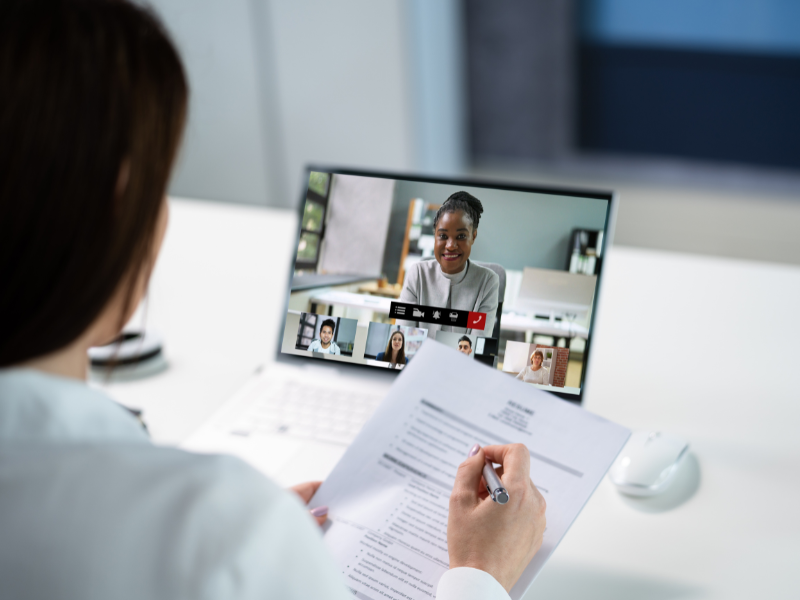
This week is about presenting yourself professionally. Update your resume to emphasize relevant skills, transferable experience, projects, education, and accomplishments. Don’t invent work experience. Instead, make your real experience more relevant so an employer can see you as a strong candidate.
Previous jobs, education, volunteering, family responsibilities, personal projects, and freelance work may have helped you develop transferable skills such as:
◆ Communication
◆ Organization
◆ Time management
◆ Research
◆ Customer service
◆ Writing
◆ Problem-solving
◆ Digital tools
Next, update your LinkedIn profile and organize your portfolio. Before the end of the week, check every link, correct spelling mistakes, and make sure your contact information is accurate.
Week 4: Apply Smart — Not Everywhere
Now you’re ready to start applying. Look for positions that genuinely match the skills you’ve been developing rather than applying to every remote vacancy you find. For each promising position:
◆ Read the entire job description.
◆ Confirm that you meet the essential requirements.
◆ Tailor your resume to the position.
◆ Follow the employer’s application instructions exactly.
◆ Include relevant work samples when appropriate.
◆ Check your application before submitting it.
◆ Track your applications in a simple spreadsheet.
Your tracking sheet can include the company, position, application date, job-posting link, status, and follow-up date. Don’t measure your progress only by the number of applications you submit. Track responses and interviews too.
If you’re consistently applying but receiving no responses, review your resume, portfolio, and job selection before simply sending more applications. This is a remote jobs for beginners step by step guide.
Network on LinkedIn
LinkedIn can be useful for more than searching job listings. Start by creating a complete professional profile and following companies that regularly hire for the type of role you’re pursuing. Then gradually build genuine professional connections.
You can:
◆ Follow companies you’d like to work for.
◆ Connect with people working in your target field.
◆ Follow recruiters who specialize in relevant roles.
◆ Comment thoughtfully on useful industry posts.
◆ Join conversations related to your skills or profession.
◆ Share occasional examples of projects you’re building or skills you’re learning.
Networking doesn’t mean messaging strangers and immediately asking them for a job. The goal is to become more familiar with your industry, learn how professionals describe their work, discover opportunities, and gradually develop useful professional relationships.
If you contact someone, keep the message short and specific. Asking a thoughtful question about their career or field is usually more appropriate than immediately requesting a referral.
To know more about LinkedIn you can check this articel: Read More
❓ FAQ for Remote Jobs With No Experience
Q: What is the easiest remote job to get started with?
A: In remote jobs for beginners, start with basic data entry and virtual assistant roles, as they require minimal experience and basic skills.
Q: Can I create a resume with no experience?
A: Yes, you can focus on specific points, such as preparing an online course or a certificate. Work on communication, organization, and tech skills. Write in a clear and simple format.
Q: What skills are most important for remote jobs?
A: For remote jobs with no experience, you need skills such as communication, time management, basic computer skills, and self-discipline. These are essential for working remotely successfully.
Q: Can I work remotely with just a phone, or do I need a laptop?
A: Most easy online jobs require a laptop or computer. While some tasks can be done on a phone, having a reliable computer significantly increases your job options. Before responding to an unfamiliar remote job offer, check the company carefully and never pay money to secure a job.

Final Thoughts
Getting a remote job with no experience isn’t about convincing an employer that you have years of expertise. It’s about showing that you’re prepared to start a new job. Choose one direction. Learn the fundamentals. Build a few relevant work samples. Present yourself professionally. Then apply selectively to positions that genuinely match your skills.
Your first remote role may take time, and rejection is a normal part of new job searching. Use the responses you receive as information. If you’re getting no interviews, then improve your resume, portfolio, or targeting. If you’re reaching interviews but not receiving offers, focus on your interview preparation.
Most importantly, don’t confuse “no experience” with “nothing to offer.” Skills from education, previous jobs, volunteering, personal projects, and everyday responsibilities can all become useful evidence when they’re relevant to the role you’re pursuing.
If you’re ready to explore actual positions, continue with NomadShe’s Entry-Level Remote Jobs for Digital Nomads guide to find beginner-friendly career ideas and decide which direction fits you best.
✈️ Continue building your digital nomad setup with these helpful NomadShe guides:
✨ Explore More NomadShe Guides
Continue your journey with these popular NomadShe resources.